
The Allure of Chance
The inherent human attraction to risk and chance significantly influences the design and appeal of casino games. This allure originates from the thrill associated with uncertainty, a psychological phenomenon that can evoke strong emotions. As players engage in activities like spinning reels or rolling dice, they experience an exhilarating rush, often referred to as a “gambling high.” This excitement is not solely about winning; the anticipation and the potential for a life-changing outcome create an addictive environment that keeps players returning for more, especially when they seek out casino sites fast withdrawal options to enhance their gaming experience. The unpredictability of outcomes taps into a deep-seated desire for adventure and excitement, making players feel alive as they gamble.
Furthermore, the psychology of chance taps into fundamental human instincts, such as the desire for control and the hope of overcoming odds. For example, players who engage in games of skill, such as poker, often believe that their expertise can influence the outcome, leading them to invest not just money but time and emotional energy. This illusion of control can powerfully impact decision-making, often leading to increased gambling activity, especially in the face of potential losses. Players become caught in a cycle of betting and re-betting, convinced that their next move will be the one that changes everything.
Moreover, casinos enhance this appeal by creating sensory-rich environments that stimulate players’ senses. The sounds of coins clinking, the visual spectacle of bright lights, and vibrant colors all contribute to an exciting atmosphere. The overall environment is meticulously designed to reinforce the idea that winning is achievable, thereby heightening the excitement. The design and marketing strategies of casinos leverage psychological principles to ensure that patrons remain engaged and eager to participate in the next game or round, creating a cycle of anticipation and thrill that can be hard to break.
Behavioral Reinforcement
Behavioral reinforcement plays a crucial role in shaping gambling habits and behaviors. This concept, rooted in psychological research, suggests that behaviors leading to rewarding outcomes are likely to be repeated. In the context of casino games, the sporadic nature of wins—known as variable ratio reinforcement—creates a powerful incentive for players to continue gambling. Just like a slot machine that pays out unpredictably, players often find themselves returning in hopes of replicating past wins. This reinforcement mechanism can lead to a cycle where players chase that elusive win, often without considering the odds stacked against them.
Additionally, the psychological mechanism of loss aversion complicates gambling behavior. Research indicates that individuals prefer avoiding losses more than acquiring equal gains. A player who loses money may feel a stronger urge to win it back, often leading to a cycle of chasing losses. This dynamic can trap players in a loop where they gamble more in an attempt to recoup their losses, further exacerbating their situation. The emotional toll of this pursuit can be significant, leading to stress and anxiety, which can ironically drive them to gamble even more.

It’s worth noting that casinos are particularly aware of these psychological tendencies. Various strategies, such as offering small, frequent wins or complimentary items, are employed to reinforce positive experiences. These tactics not only enhance player satisfaction but also encourage continued engagement with the games. By creating environments where players feel rewarded—whether through monetary wins or psychological gratification—casinos can effectively maintain interest and increase overall revenue. This understanding of behavioral reinforcement is pivotal for operators seeking to maximize player retention and engagement.
Social Interaction and Community
Casino games are not just about individual play; they also foster social interaction and community-building. Many players enjoy the camaraderie that comes with gambling in a shared space, whether they are at a poker table or mingling at a slot machine. The social aspect of gaming creates an atmosphere of excitement and competition, enhancing the overall experience. Players may develop friendships, share strategies, or even experience the ups and downs of gambling together, reinforcing their bond and commitment to return. This social engagement can transform a solitary activity into a communal experience, further enriching the gambling environment.
The concept of social proof significantly influences gambling behavior in casinos. When players observe others having fun or winning, it can create a sense of validation that encourages them to participate. This phenomenon is particularly evident in crowded gaming areas, where the collective excitement amplifies individual experiences. The thrill of winning, whether real or vicarious, serves as a powerful motivator for players to engage more deeply with the casino environment. The social dynamics at play can create a feedback loop, where the excitement of one player can trigger enthusiasm in others, enhancing the overall atmosphere.
Moreover, casinos often organize events and tournaments that cultivate a sense of community. Participating in team-based games or competitive events allows players to showcase their skills and connect with others, creating shared memories that can enhance their attachment to the casino. This social dimension of gambling fosters loyalty and can make the experience more enjoyable, driving repeat visits and sustained engagement with casino offerings. The sense of belonging that comes from shared experiences can be a compelling reason for players to return time and again.
The Role of Design and Environment
The physical design of casinos plays a pivotal role in shaping the gambling experience. From the moment patrons enter, they are enveloped in an environment carefully crafted to maximize engagement and pleasure. Elements such as lighting, sound, and layout are all strategically chosen to maintain excitement and flow within the casino. For instance, dim lighting and vibrant colors can stimulate the senses, making it easy for players to lose track of time and their surroundings. This sensory overload serves to heighten the emotional experience of gambling, making players more likely to stay longer and play more.
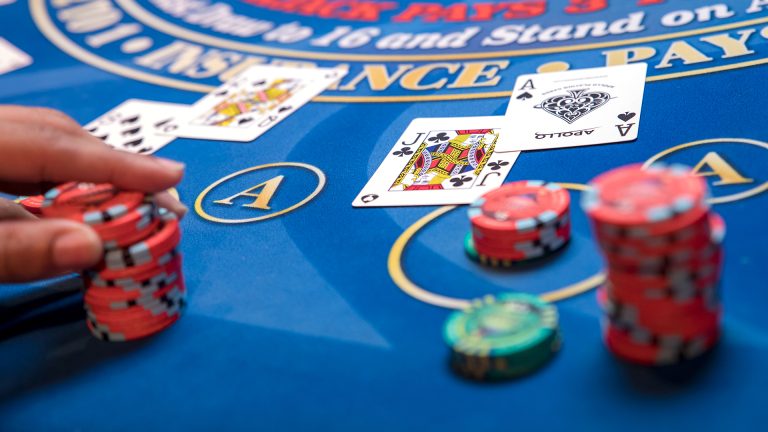
Additionally, the arrangement of games is designed to encourage exploration. Casinos often place high-frequency games, like slots, near entrances and pathways to attract players. The layout creates a sensation of bounciness, leading individuals from one game to another, fostering a continuous loop of activity. This intentional design manipulates player behavior, effectively increasing the time spent in the casino, which typically correlates with higher gambling losses. The strategic placement of games can create a sense of urgency, compelling players to engage without fully considering their decisions.
Furthermore, sensory marketing is employed extensively in casinos. The sounds of coins, jingling, and celebratory music when someone wins are vital auditory signals that reinforce the positive experience of gambling. These sensory elements are integrated holistically to manipulate emotional responses, maximizing enjoyment and encouraging players to engage longer. By understanding the psychology of design, casinos create environments where players feel comfortable, excited, and ultimately more inclined to continue playing. This careful orchestration of sensory experiences is a fundamental aspect of casino strategy, aimed at increasing player satisfaction and revenue.
Understanding Casino Psychology through Research
Research into the psychology of casino games continues to evolve, providing deeper insights into player behaviors and motivations. Studies show that a wide range of psychological principles, including addiction, risk perception, and cognitive bias, impact how people engage with gambling. For instance, the sunk cost fallacy illustrates how players continue to gamble, believing that their previous losses will justify further investment, revealing a significant disconnect with rational decision-making. This cognitive bias can lead to a cycle of increasing stakes and emotional investment, often resulting in detrimental outcomes.
Furthermore, researchers have identified the effects of reward schedules on gambling behavior. The anticipation of rewards can lead to habitual play, where players return not necessarily with the expectation of winning but for the emotional highs associated with gameplay. This understanding of how human emotion and cognition interplay with gaming mechanics informs both psychological theories and casino marketing strategies. By leveraging these insights, casinos can create experiences that resonate with players on a deeper psychological level, enhancing their overall engagement.
As the landscape of gaming shifts—especially with the rise of online casinos—research into the psychology of games becomes even more critical. Understanding how virtual environments impact player behavior differently from physical casinos paves the way for tailored experiences that can either heighten engagement or address responsible gaming. This ongoing research is essential for developing effective strategies that promote enjoyable and sustainable gambling practices while recognizing the inherent risks associated with gambling activities. By continuing to explore these psychological dimensions, both players and operators can foster a healthier relationship with gaming.